HumanOps
AI and modern tooling have gotten very good at the individual pieces of service operations. What's still missing is the process — and the people — to connect them and keep improving the whole system over time.
Modern tooling — AI included — is genuinely good at spotting the anomaly. It correlates signals, flags the outlier, and pages the right person faster than any human watching a dashboard ever could. That part is largely solved, and it keeps getting better every year.
What happens next is where most organizations still struggle, and it's the part no platform can do for you:
Response — Who owns the call once the page goes out, how information moves between the people fixing it and the people asking questions, and when to escalate. That's process and muscle memory, not automation.
Prevention — Restoring service isn't the finish line. AIOps can quietly auto-remediate and mask the issue temporarily, but if the root cause isn't found and closed, the same failure just waits for its next chance to page someone.
Measurement — What isn't measured can't be improved. Fewer repeat incidents, shorter time to resolution, less strain on the team carrying the pager — pick the numbers that matter, then hold the process accountable to them.
This is the work HumanOps does: not replacing the tools, but building what happens around them.
From a blank page to a full audit: design a monitoring architecture end to end, evaluate and recommend the platforms that fit your environment, or review what's already running and where it's falling short. That review works the same way whether it's your own stack or a vendor's product — the question is always whether it holds up under real operational conditions.
Monitoring is only as good as what it feeds into. We connect the full chain — CMDB, monitoring, incident management, continuous improvement — so each stage actually informs the next, instead of four separate tools bolted together after the fact.
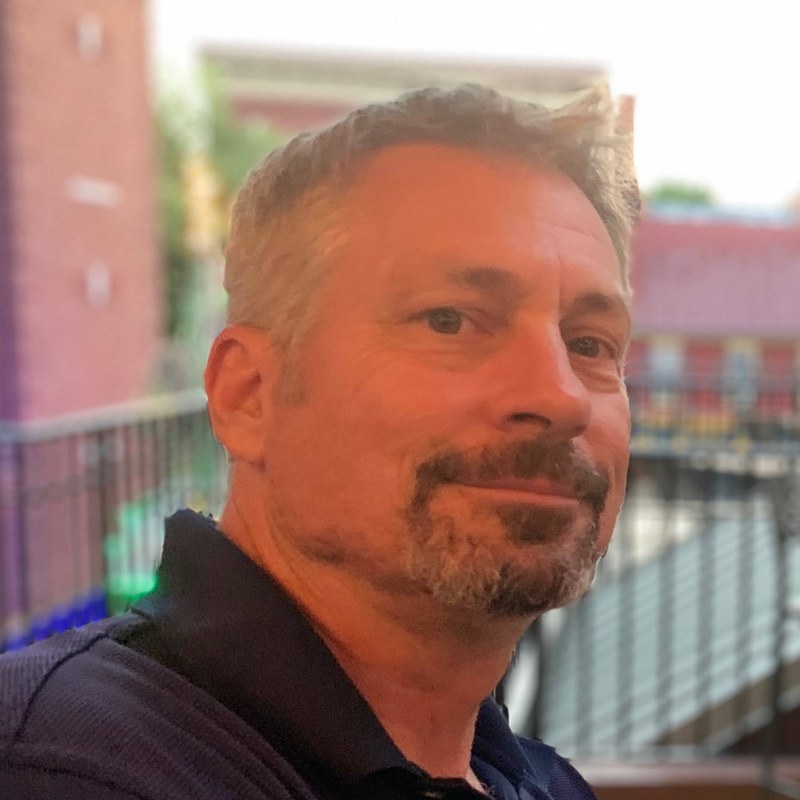
Karl is the founder of HumanOps, an advisory practice that helps organizations design and run monitoring, observability, log, and incident management systems that work when it matters most. He has years of experience with many commercial and open-source platforms, but his focus is the people and process side of operations: clear roles, high-quality continuous improvement, and the habits that keep a team effective under pressure.
He brings several decades of engineering, analytics, and IT operations experience. Karl earned his BS in Mechanical Engineering from Michigan State University in 1987 and began his career as an aerospace engineer at Rockwell North American Aircraft in Los Angeles. In 1991 he co-founded an ISP serving consumers and small businesses, which also provided consulting and training on using the Internet for sales, marketing, and research, and on adopting open source software, starting with Linux 0.9.
In the mid-1990s he moved into the automotive industry, leading the global integration of CAD/CAM systems for supplier Lear Corporation. He headquartered in Munich, Germany, and brought the company's worldwide design and engineering centers together.
He joined Hughes Network Systems in 1999 to support their international NOC build and deployment team. In 2002 he shifted focus to the rapidly growing domestic internet and network services business, leading efforts in virtualization and containerization, big data, streaming data, machine learning, DevOps, ITIL/ITSM, and network management and observability. He retired from Hughes after 25 years, most recently as Senior Director of Network Management and Observability Systems, and went on to found HumanOps, drawing on that career-long grounding in how large-scale network operations run day to day.
Karl lives in Maryland with his family, dogs, and vintage cars.
 HumanOps